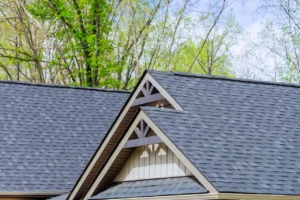


Your roof does much more than protect your home from rain and changing weather, it plays a major role in your home’s appearance, drainage, durability, and overall exterior design. If you’re researching popular roof types, you’ll quickly discover that there are several roof styles to choose from, each with different benefits and design considerations.
Understanding the most common types of roofs can help you determine which option makes sense for your home and long-term goals.
If you’re considering a new roof or simply want professional advice about your existing roof, contact C&W Roofing, Siding & Window Co. at (864) 986-5259 to schedule a free consultation.
Popular Roof Types at a Glance
Before diving into each design, here are some of the most common roof styles homeowners encounter:
- Gable roofs: A classic design with two sloping planes that meet at a ridge.
- Hip roofs: A four-sided design with slopes that meet toward the top of the roof.
- Flat and low-slope roofs: Designs with little visible slope that require specialized drainage and roofing systems.
- Shed roofs: A single sloping plane often used on additions and contemporary homes.
- Gambrel roofs: A two-sided design with multiple slopes on each side, commonly associated with barns.
- Mansard roofs: A four-sided design with a steep lower slope and a shallower upper slope.
- Butterfly roofs: Two roof planes that slope inward toward a central valley.
- Combination roofs: Designs that combine multiple roof shapes to accommodate architectural features.
The best choice depends on your home’s architecture, roof pitch, drainage needs, local climate, roofing material, and personal preferences.
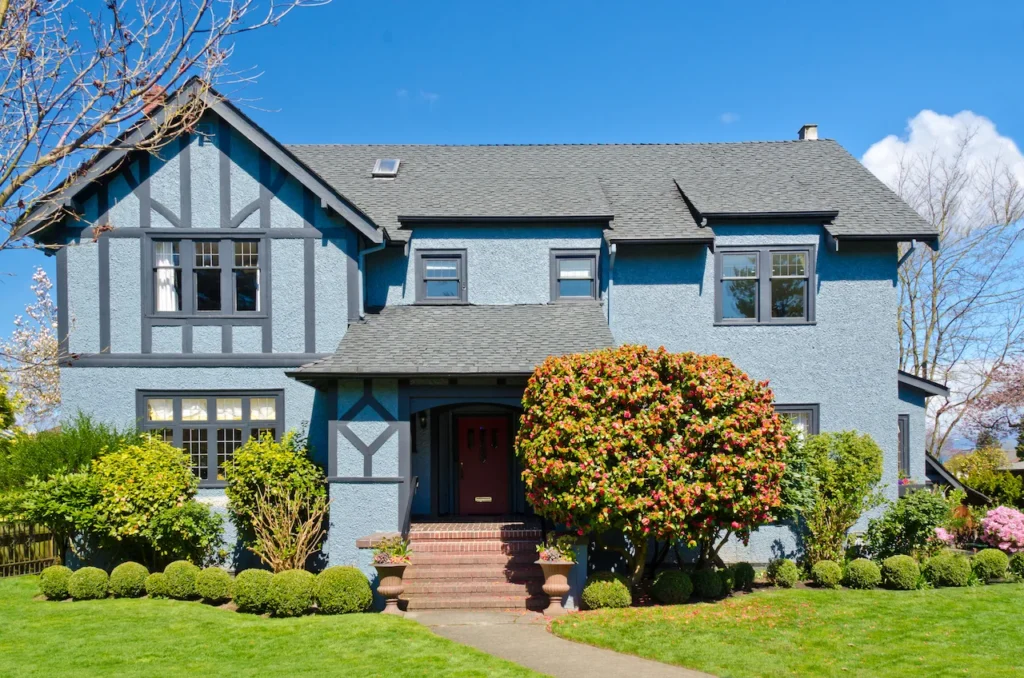
What Are the Most Popular Roof Types?
There isn’t one roof shape that is right for every house. Some designs are better suited to traditional architecture, while others complement contemporary homes. Roof pitch, available space, drainage requirements, and the materials used can all affect the final design.
Here are several of the most popular roof types homeowners should know.
1. Gable Roof
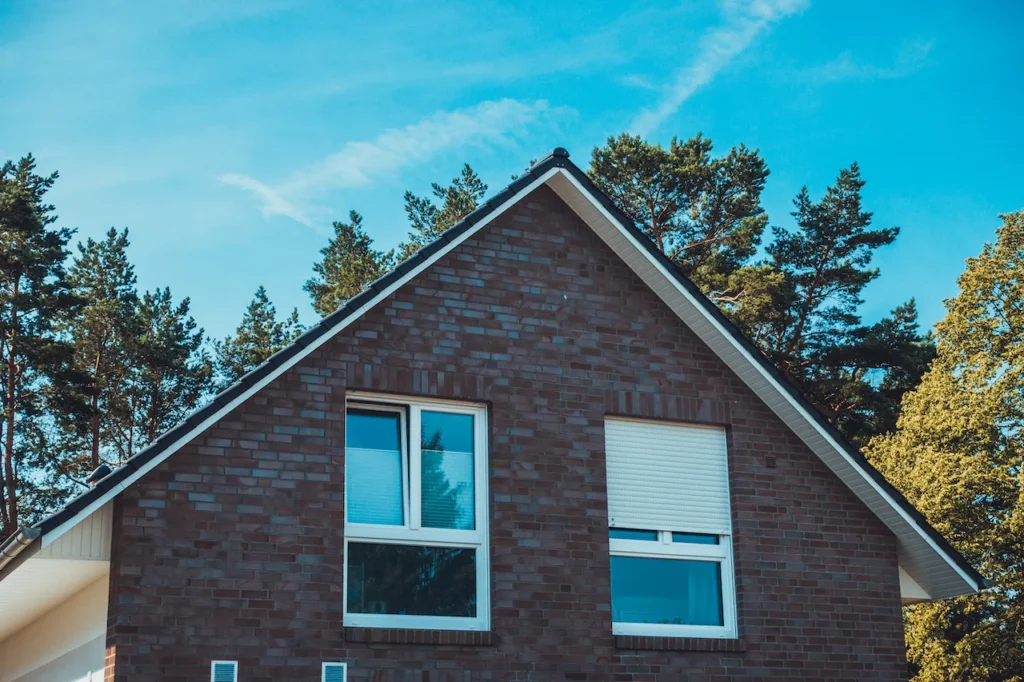
The gable roof is one of the most recognizable and widely used roof designs. It has two sloping sides that meet at a central ridge, creating a triangular wall section at each end of the home.
Gable roofs are popular because their straightforward design provides an effective path for rainwater to run off. They can also create usable attic space, depending on the roof pitch and home design.
Potential advantages include:
- Simple, recognizable appearance
- Effective water drainage
- Variety of possible roof pitches
- Compatibility with many architectural styles
- Potential for additional attic space
A gable roof can work particularly well with traditional and colonial-inspired homes, but variations can also be incorporated into more contemporary designs.
When evaluating a gable roof, it’s important to consider how the roof is oriented in relation to prevailing weather and wind exposure. Proper installation of the roofing system, flashing, ventilation, and underlayment remains critical regardless of the roof shape.
2. Hip Roof
A hip roof slopes downward on all four sides of the home rather than having vertical gable ends. The slopes meet at the top, creating a more compact and balanced appearance.
Hip roofs are among the popular roof types for homeowners who want a traditional appearance combined with slopes on every side of the structure.
Because all four sides slope downward, hip roofs can provide a strong, symmetrical appearance. They are also commonly seen on ranch-style and traditional homes.
However, the additional roof planes can make the design more complex than a basic gable roof. That means careful planning and professional installation are especially important.
If you’re comparing a hip roof with a gable roof, think about more than appearance. The roof’s geometry can influence material requirements, drainage, ventilation, and installation complexity.
3. Flat and Low-Slope Roofs
Despite the name, a flat roof typically has a slight slope rather than being perfectly horizontal. That small amount of slope helps direct water toward drains or other drainage points.
Flat and low-slope roofs are common on modern-style homes, additions, porches, garages, and other structures.
They require roofing systems specifically designed for low-slope applications. Traditional steep-slope shingles are not automatically appropriate for every low-slope application because water behaves differently when there is less pitch.
Proper drainage is particularly important with these types of roofs. Standing water can create problems if the roof is not properly designed, installed, and maintained.
4. Shed Roof
A shed roof consists of one continuous sloping plane rather than two or more planes meeting at a central ridge.
This relatively simple design is frequently associated with modern and contemporary architecture. It can also be used for additions, porches, garages, and other portions of a home.
One benefit of a shed roof is its straightforward geometry. Depending on its orientation, the slope can also be designed to create opportunities for larger windows or increased natural light along one side of a structure.
The roof pitch and direction of the slope are important considerations. A steeper shed roof can provide faster water runoff, while a lower slope may require different roofing considerations.
5. Gambrel Roof
A gambrel roof has two different slopes on each side. The lower portion is typically steeper, while the upper portion has a shallower slope.
This design is strongly associated with barns and traditional farmhouse architecture, although variations can be found on residential homes.
One of the biggest visual characteristics of a gambrel roof is its ability to create substantial upper-level or attic space. The steep lower slopes can make the roofline particularly prominent from the street.
Gambrel roofs can be attractive choices for homeowners who want a distinctive architectural appearance, but their multiple roof planes also mean that professional planning and installation are important.
6. Mansard Roof
A mansard roof has four sides, with each side featuring a steep lower slope and a much shallower upper slope. The design is often associated with historic European and Second Empire architecture.
Like a gambrel roof, the mansard design can create significant usable space beneath the roof. Dormers can also be incorporated into the steep sides.
While less common on typical Upstate South Carolina homes than gable or hip roofs, mansard roofs are worth recognizing when researching different roof styles.
7. Butterfly Roof
A butterfly roof is essentially an inverted gable. Instead of the two roof planes sloping away from a central ridge, they slope inward toward a central valley.
The unusual shape gives contemporary homes a distinctive appearance. The central valley can also be incorporated into a drainage system designed to collect and direct rainwater.
Because the design creates a central low point, drainage and waterproofing require careful attention. This is a good example of why roof shape isn’t merely an aesthetic decision, the geometry directly affects how water moves across the roof.
8. Combination Roofs
Not every home fits neatly into one category. Many houses use combination roof designs that bring together multiple roof shapes.
For example, a home may have a primary gable roof with smaller hip, shed, or gable sections over additions, garages, porches, or architectural features.
Combination roofs can add visual interest and help accommodate complicated floor plans. However, valleys, intersections, flashing, and drainage points can also create additional areas where water needs to be carefully managed.
When a roof has multiple intersecting sections, professional installation becomes particularly important.

How Roof Pitch Affects Different Roof Styles
When researching the most popular roof types, you may also encounter the term roof pitch. Roof pitch describes how steeply a roof rises compared with its horizontal run.
For example, a 6:12 roof pitch rises 6 inches for every 12 inches of horizontal distance.
Roof pitch matters because it affects:
- How quickly water runs off the roof
- Which roofing materials may be appropriate
- The visual appearance of the home
- Attic space and interior volume
- Installation requirements
- Overall project complexity
C&W’s roof pitch guide provides additional information about how pitch affects drainage, weather resistance, materials, lifespan, and project costs.
It’s also important to remember that roof shape and roof pitch are not the same thing. A gable roof, for example, can have different pitches depending on the home’s design.
How Do You Choose Between Different Types of Roofs?
Choosing among different types of roofs involves more than picking the design you like best.
Consider these factors before making a decision:
Your Home’s Architecture
The roof should complement the architectural style of the home. A traditional home may look best with a gable or hip roof, while a modern property may lend itself to a shed, flat, or butterfly design.
Your Local Climate
Upstate South Carolina homes experience heat, humidity, heavy rain, thunderstorms, and occasional severe weather. Your roofing system should be selected with local weather conditions in mind.
Drainage
Water needs a reliable path away from your home. Roof shape, pitch, valleys, flashing, gutters, and downspouts all work together to manage water.
Keeping gutters functioning properly is an important part of protecting the roof and exterior of your home.
Roofing Material
Roof shape and roofing material work together. Asphalt shingles are one of the most common choices for residential roofs, while metal and specialized membrane systems may be appropriate for other applications.
Maintenance Requirements
Every roof needs maintenance, but some designs have more complicated drainage patterns than others. Valleys, roof penetrations, flashing, and gutters should be inspected regularly.
If you’re concerned about the condition of an existing roof, C&W’s guide to common roof replacement questions can help you understand when replacement may be worth considering.
Popular Roof Types and Roofing Materials Are Two Different Things
One common misconception is that a roof “type” refers to the roofing material. In reality, these are two separate characteristics.
The roof type describes the shape or design of the roof. The roofing material describes what covers it.
For example, a home could have:
- A gable roof with asphalt shingles
- A hip roof with asphalt shingles
- A gable roof with metal roofing
- A low-slope roof with a membrane system
This distinction is important because homeowners sometimes focus heavily on the material without considering whether it is appropriate for their roof’s design and pitch.
For a deeper comparison, C&W’s guide to durable roofing materials discusses how different materials compare in terms of longevity, weather resistance, and maintenance.
When Should You Consider Replacing Your Roof?
Knowing your roof style is useful, but it doesn’t tell you whether your current roof needs replacement.
Signs that it may be time to have your roof professionally evaluated include:
- Missing or damaged shingles
- Persistent leaks
- Significant granule loss
- Curling or cracked shingles
- Visible deterioration
- Sagging areas
- Repeated repairs
- A roof approaching or exceeding its expected service life
Storm damage is another reason to schedule an inspection. Strong winds, hail, falling branches, and heavy rain can damage roofing materials even when problems aren’t immediately visible.
Find the Right Roof Style for Your Home
There are many popular roof types to consider, from the classic gable and hip roof to modern flat, shed, and butterfly designs. But the right roof isn’t necessarily the one that looks best in a photo. Your home’s architecture, roof pitch, drainage requirements, climate, roofing material, and long-term maintenance needs should all factor into the decision.
For more than 30 years, C&W Roofing, Siding & Window Co. has helped families throughout Upstate South Carolina improve and protect their homes. As a family-owned and operated company, C&W believes in treating homeowners with respect, communicating clearly, and standing behind quality workmanship.
If you’re considering a new roof, dealing with storm damage, or simply wondering whether your current roof needs attention, contact C&W Roofing, Siding & Window Co. online or call (864) 986-5259 to schedule a free consultation. Let our experienced team help you find a roofing solution that protects your home and complements its style for years to come.
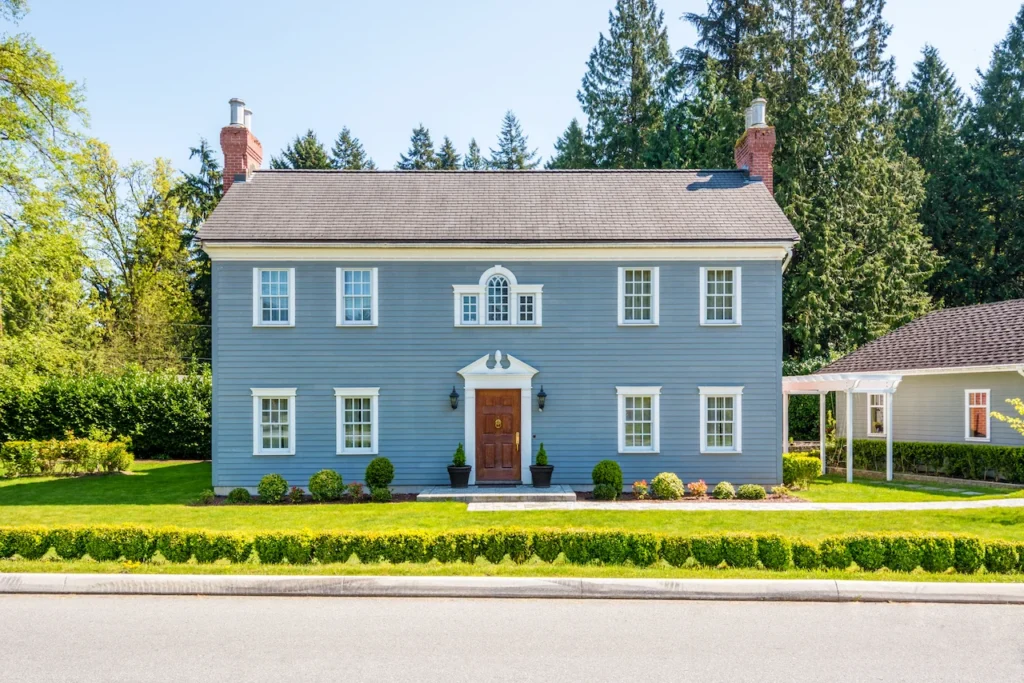
Frequently Asked Questions About Popular Roof Types
What is the most popular roof type?
The gable roof is one of the most widely recognized and commonly used residential roof styles. Hip roofs are also extremely common. The best option for a particular home depends on its architecture, roof pitch, drainage needs, climate, and homeowner preferences.
What are the main types of roofs?
Common types of roofs include gable, hip, flat or low-slope, shed, gambrel, mansard, butterfly, and combination roofs. Many homes combine multiple roof shapes into one overall design.
Is a gable roof better than a hip roof?
Neither is universally better. A gable roof has a simpler shape and can provide effective water runoff, while a hip roof slopes on all four sides and can create a balanced appearance. The right choice depends on the home’s design, location, structural requirements, and homeowner priorities.
What is the best roof style for heavy rain?
Roof pitch and drainage are important when dealing with heavy rainfall. Steeper slopes generally allow water to move off the roof more quickly, but the entire roofing system—including flashing, valleys, underlayment, and gutters—must work together to manage water effectively.
Does roof pitch matter when replacing a roof?
Yes. Roof pitch can influence material selection, installation methods, drainage, project complexity, and cost. A professional roofing inspection can determine the existing pitch and help identify suitable roofing options.
What roofing material works with the most roof styles?
Asphalt shingles are highly versatile and can work with many common residential roof shapes and designs, provided the roof meets the manufacturer’s installation requirements. Other materials, such as metal or specialized membrane systems, may be appropriate depending on the roof design and pitch.