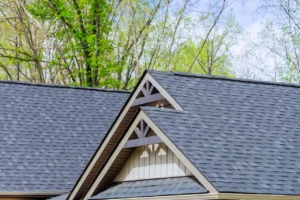


Choosing the best roof shingle color can have a bigger impact on your home than you might expect. Your roof is one of the largest visible parts of your home’s exterior, so the right shingle color can complement your siding, brick, windows, and architectural style while improving curb appeal.
At C&W Roofing, Siding & Window Co., we’ve helped homeowners make exterior remodeling decisions for more than 30 years. As a family-owned company serving Upstate South Carolina, we believe homeowners deserve honest guidance and dependable workmanship from start to finish.
Ready to update your home’s exterior? Contact C&W Roofing, Siding & Window Co. today at (864) 986-5259 or request a consultation online to discuss your project and find the best roof shingle color for your home.
How to Choose the Best Roof Shingle Color
There isn’t one universally “best” roof shingle color. The right choice depends on your home’s existing exterior, architectural style, neighborhood, climate, and personal preferences.
Before choosing from dozens of samples, consider these factors:
- Look at your home’s permanent exterior colors first.
- Consider the architectural style of your house.
- Decide whether you want your roof to blend in or stand out.
- Compare shingle samples in natural sunlight.
- Think about how the color will look from the street.
- Consider climate and solar reflectance.
- Check neighborhood or HOA requirements.
- Think about how the roof will coordinate with future exterior upgrades.
Taking time to evaluate these details can help you avoid choosing a color that looks great on a small sample but doesn’t work with your entire home.
Consider Your Home’s Existing Exterior Colors
One of the easiest ways to narrow down roof shingle colors is to start with the colors you cannot easily change.
Your siding, brick, stone, windows, doors, and other permanent exterior features should influence your roof color decision. A roof doesn’t need to match these elements exactly. Instead, the colors should work together.
For example, a home with:
- White or light siding: Gray, charcoal, brown, or weathered-looking shingles can create contrast.
- Red or brown brick: Brown, dark gray, charcoal, or blended shingles can complement warm masonry.
- Gray siding: Black, charcoal, slate-inspired gray, or certain brown-gray blends may work well.
- Tan or beige siding: Brown, weathered wood, gray-brown, and other warm neutral shingles can create a cohesive appearance.
- Blue siding: Charcoal, gray, and certain dark neutral shingles can balance the cooler exterior color.
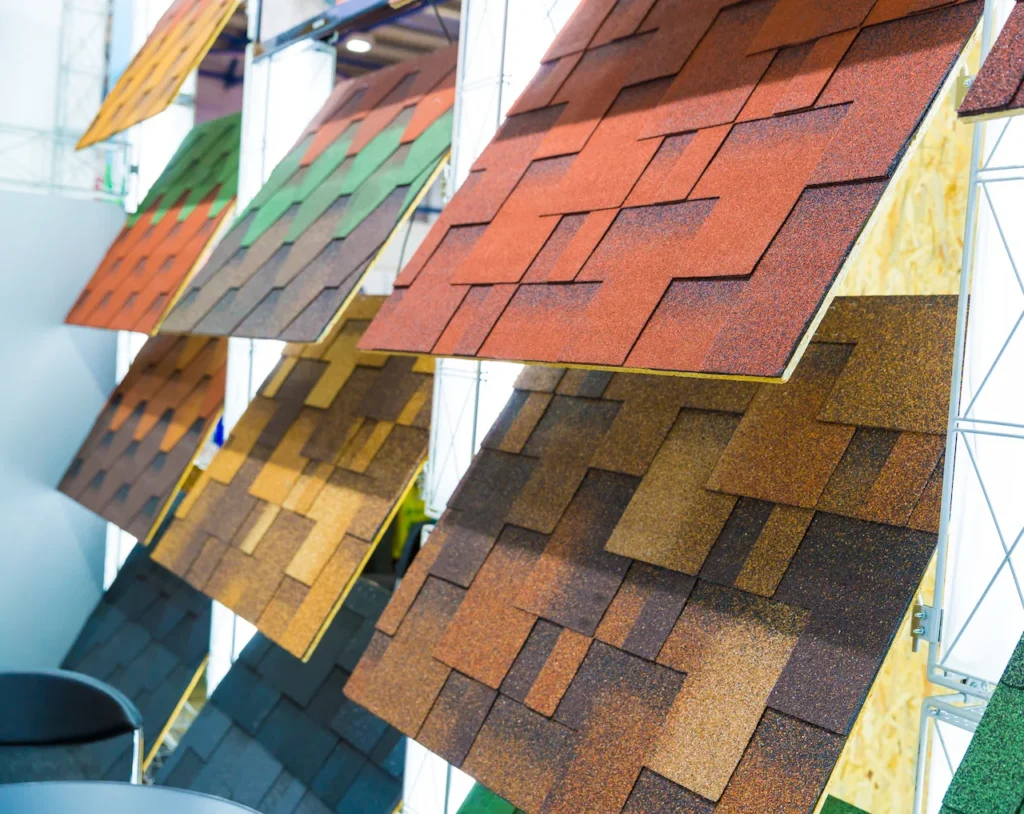
When evaluating an asphalt shingle color, look beyond the dominant color. Many architectural shingles use blends of multiple granule colors. From the street, those variations can create depth and make the roof appear different than it does in a sample.
C&W’s guide to the benefits of asphalt shingles explains how asphalt shingles offer a wide range of styles and colors, making them a versatile option for Southern homes.
Match Your Roof Shingle Color to Your Home’s Architecture
Your home’s architectural style can also help determine the best roof shingle color.
Traditional homes often look natural with classic neutral combinations, while contemporary homes may benefit from stronger contrast.
For example:
- Traditional homes: Charcoal, brown, weathered wood, and other classic colors can reinforce a timeless appearance.
- Craftsman homes: Earthy browns, grays, and blended tones can complement natural materials.
- Modern homes: Dark charcoal or black shingles can create a clean, high-contrast appearance.
- Ranch homes: Medium-to-dark neutrals can provide definition without overwhelming the home’s lower profile.
- Farmhouse-style homes: Dark gray or black shingles can contrast nicely with lighter siding.
This doesn’t mean you have to follow a strict design rule. Your personal preference still matters. However, using your home’s architecture as a starting point can make choosing roof shingles much easier.
Think About Light vs. Dark Roof Shingle Colors
One of the biggest decisions homeowners face is whether to choose a light, medium, or dark roof shingle color.
Are Dark Roof Shingles a Good Choice?
Dark shingles can give a home a dramatic, defined appearance. Black, charcoal, and deep brown roofs are especially popular when homeowners want strong contrast against light siding.
Dark colors can work particularly well with:
- White siding
- Light gray siding
- Cream or beige exteriors
- Modern architecture
- White trim and dark accents
However, color is also connected to solar performance. Dark surfaces generally absorb more sunlight than lighter surfaces.
The U.S. Department of Energy explains that traditional dark roofs can become significantly hotter in sunlight, while cool roofs are designed to reflect more solar energy and emit absorbed heat.
Are Light Roof Shingles Better?
Light-colored shingles generally reflect more sunlight than dark-colored shingles, although color alone doesn’t determine a roof’s solar performance.
The Cool Roof Rating Council notes that lighter-colored products tend to be more reflective, but color is not the only factor. Solar reflectance and thermal emittance both contribute to how a roofing surface performs in the sun.
That means you don’t necessarily have to choose a white roof to get the benefits associated with a more reflective roofing product. Some darker products can be manufactured with pigments that improve reflectance.
For homeowners in the hot, humid Southeast, it’s worth discussing the available options with a roofing professional rather than selecting a color based only on appearance.
Consider Your Climate When Choosing a Roof Color
Climate should be part of your shingle color decision, particularly in areas that experience hot summers.
A roof absorbs solar radiation throughout the day, and some of that heat can transfer into the building below.
However, choosing a light-colored roof doesn’t automatically guarantee lower energy bills. Your home’s insulation, ventilation, roof design, HVAC system, and the specific roofing product all influence energy performance.
That’s why it’s better to consider the complete roofing system rather than focusing exclusively on color.
C&W’s guide to roof underlayment explains why components underneath the visible shingles are important to the roof’s overall performance. Likewise, its roof pitch guide explains how roof design influences material selection and performance.
Look at the Roof From the Street
A small shingle sample can be misleading.
Your roof may cover hundreds or thousands of square feet, so a color that seems subtle on a sample can become much more noticeable once installed across the entire roof.
When comparing roof shingle colors, try to view samples:
- Against your actual siding or brick
- In direct sunlight
- In shade
- From several feet away
- From the street
- Next to your existing trim and windows
If possible, place several samples next to each other. Comparing them simultaneously makes undertones easier to identify.
A gray shingle may have blue, brown, or green undertones that aren’t obvious when viewed by itself. Similarly, a brown shingle may contain gray or red tones that affect how it coordinates with your home’s exterior.

Think About Resale and Long-Term Appeal
Your roof is a long-term investment, so it’s worth considering how your color choice will look several years from now.
If you plan to sell your home in the near future, a broadly appealing neutral may make more sense than an extremely distinctive color. Gray, brown, charcoal, and other neutral roof shingle colors can work with a wide variety of exterior styles.
If you’re staying in your home for many years, however, your own preferences should carry more weight.
The goal isn’t necessarily to choose the most popular roof color. It’s to choose a color that complements your house and that you’ll still enjoy looking at years later.
Don’t Forget Your Siding and Windows
A roof replacement can be an opportunity to reconsider your home’s entire exterior color scheme.
If you’re planning to replace siding or windows soon, think about those projects before selecting your shingles. A new roof that looks great with your current siding may look completely different after a siding replacement.
For example, homeowners planning white, cream, gray, or darker siding should consider how their preferred roof colors will interact with those future choices.
Check HOA and Neighborhood Requirements
Before ordering your shingles, check whether your neighborhood has restrictions on roofing materials or colors.
Some homeowners associations, planned communities, or historic neighborhoods may have rules governing exterior modifications. If approval is required, choosing a shingle color before checking the requirements could delay your project.
Ask about:
- Approved roofing colors
- Approved roofing materials
- Required architectural styles
- Documentation or sample requirements
- Application and approval timelines
If you’re unsure whether restrictions apply to your property, it’s better to verify them before purchasing materials.
How Different Roof Shingle Colors Can Change Your Home
Color can influence how large, tall, or visually prominent your home appears.
Dark Roof Shingles
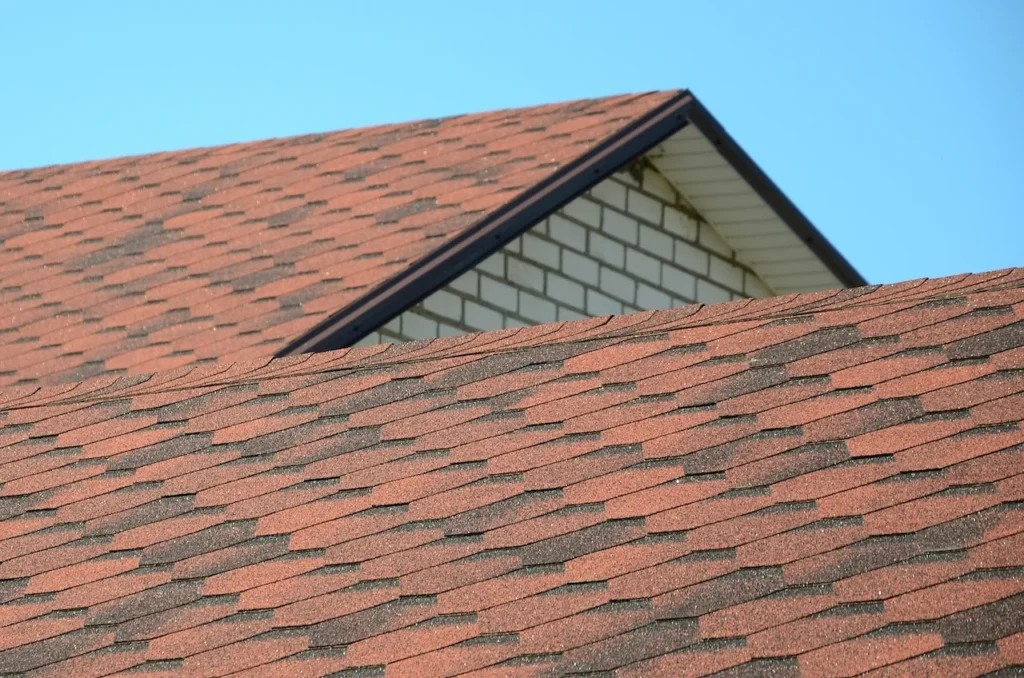
Dark colors tend to create stronger visual definition and can make a light-colored exterior appear more dramatic.
They can be especially effective when paired with light siding, white trim, or other contrasting features.
Medium Roof Shingle Colors
Medium browns and grays offer versatility. They can provide enough contrast to define the roof without becoming the dominant feature of the exterior.
Light Roof Shingle Colors
Lighter colors can create a softer appearance and may work especially well with homes that already have a light or neutral exterior.
Remember that the actual appearance depends on the roofing product, granule blend, lighting, surrounding landscaping, and the other colors on your home.
What Are the Most Popular Roof Shingle Colors?
There isn’t one universally best option, but homeowners frequently consider neutral colors because they coordinate with many exterior styles.
Common choices include:
- Black
- Charcoal
- Dark gray
- Medium gray
- Brown
- Weathered wood
- Brown-gray blends
The best roof shingle color for your home may be different from what’s trending. Your brick, siding, trim, windows, and architectural style should all factor into the decision.
C&W’s metal vs. shingle roof comparison also discusses why homeowners should consider appearance and future remodeling plans when evaluating roofing options.
Does Roof Color Affect Energy Efficiency?
Yes, roof color can affect how much solar energy a roof absorbs, but the relationship is more complicated than simply saying “light roofs are energy efficient.”
According to the U.S. Department of Energy, solar reflectance measures how much sunlight a surface reflects, while thermal emittance describes how effectively a surface releases absorbed heat. Both properties influence roof temperature.
The Cool Roof Rating Council provides ratings based on these properties and maintains a database where homeowners can research roofing products and their radiative performance.
For your home, a roofing professional can help you determine whether a particular roofing product and asphalt shingle color make sense for your climate and project goals.
A Simple Checklist for Choosing Your Shingle Color
Still having trouble deciding? Use this checklist before making your final selection:
- Identify your home’s permanent colors. Start with brick, stone, siding, windows, and trim.
- Choose your desired level of contrast. Decide whether you want the roof to blend in or stand out.
- Narrow your choices to a few samples. Compare similar colors side by side.
- View samples outdoors. Natural light can change how colors appear.
- Consider your climate. Ask about reflective roofing products if summer heat is a concern.
- Think about future projects. Consider any upcoming siding or window replacement.
- Check neighborhood requirements. Verify HOA or community rules before ordering.
- Ask a roofing professional. An experienced contractor can help you evaluate the roof color alongside the home’s architecture and roofing needs.
Choose the Right Roof Color With Help From C&W
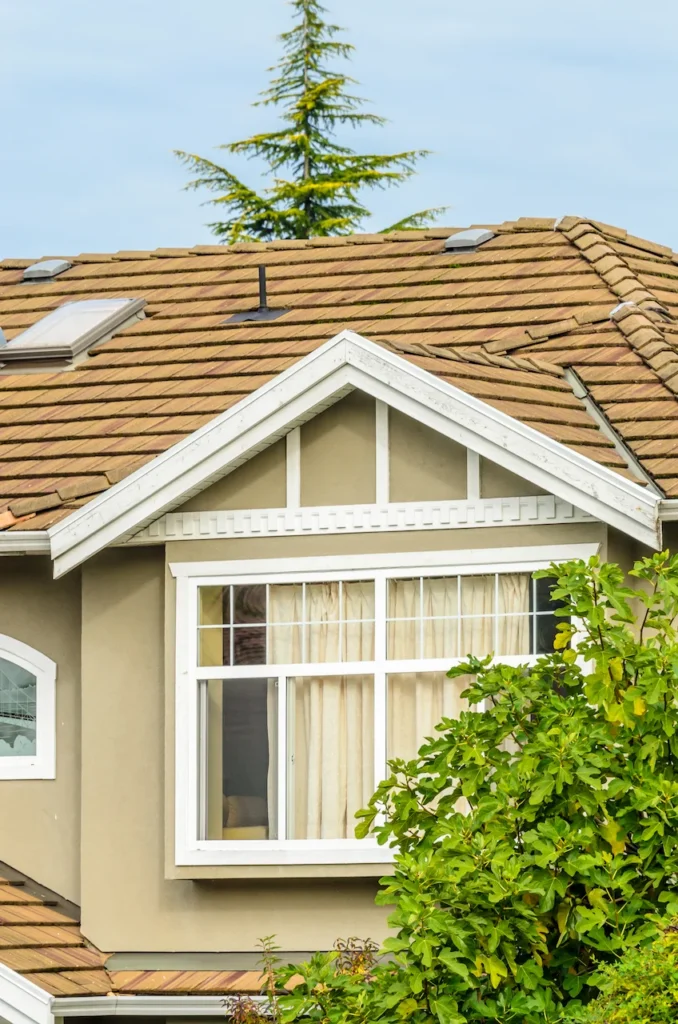
Choosing a new roof involves much more than picking a color from a sample board. You want a roofing system that complements your home, performs well in the local climate, and provides dependable protection for years to come.
At C&W Roofing, Siding & Window Co., we’re a family-owned company that has served homeowners for more than 30 years. Our company was founded in 1991, and we’ve grown through word of mouth, honest work, strong communication, and long-term relationships with our customers.
Whether you’re comparing asphalt shingles, coordinating a new roof with James Hardie or vinyl siding, or planning a larger exterior remodeling project, our team can help you make informed decisions based on your home’s needs. Contact C&W Roofing, Siding & Window Co. today at (864) 986-5259 or request a consultation online to discuss your project and find the best roof shingle color for your home.
Frequently Asked Questions About Roof Shingle Colors
What is the best roof shingle color for a house?
The best roof shingle color depends on your home’s siding, brick, trim, architectural style, climate, and personal preferences. Neutral colors such as gray, charcoal, brown, and weathered wood are versatile choices, but the ideal color varies from home to home.
Are dark roof shingles hotter?
Dark roofing materials generally absorb more solar radiation than lighter, more reflective surfaces. However, the actual temperature and energy performance of a roof depend on more than visible color, including solar reflectance, thermal emittance, ventilation, insulation, and the roofing product itself.
What roof color makes a house look bigger?
There is no universal rule, but lighter roof and exterior combinations can create a more visually open appearance, while dark roofs can provide stronger definition and contrast. The roof’s shape, pitch, siding color, landscaping, and overall architecture also affect how large the home appears.
Should my roof match my siding?
Your roof doesn’t need to match your siding exactly. In most cases, coordinating complementary colors creates a more natural appearance. Consider undertones as well as the primary color when comparing roof shingle colors.
Can I change my roof color without replacing my roof?
Typically, changing the color of an asphalt shingle roof isn’t as simple as repainting the shingles. If you want a different roof color, talk with a roofing professional about whether replacement or another appropriate roofing solution makes sense for your situation.