

A roof leak is not something you can afford to ignore. What starts as a small drip can quickly turn into thousands of dollars in repairs, leading to mold growth, ruined insulation, weakened framing, and even serious electrical hazards. In many cases, hidden leaks can cause damage for weeks or months before you even notice them. The longer a leak goes unchecked, the more costly and disruptive the repairs become.
At C&W Roofing, Siding & Window Co., we’ve been serving homeowners across upstate South Carolina for over 31 years, delivering comprehensive roofing solutions with long-lasting results. We’ve seen firsthand how quickly minor issues escalate and how much homeowners can save by taking action early.

In this guide, we will show you how to find a roof leak, figure out what’s causing it, and know when to call a professional.
If you suspect a leak, don’t wait. Call 864-986-5259 or contact us online to schedule a professional roof inspection today and stop the damage before it spreads.
Why Roof Leaks Are So Hard to Pinpoint
Roof leaks are often more complex than they appear. The spot where you see water inside your home is rarely where the problem actually starts. Water can enter through a small opening and travel several feet before it becomes visible, making leaks difficult to trace without a thorough inspection.
This happens because:
- Roof decking and rafters can channel water away from the entry point
- Insulation absorbs and spreads moisture across a wider area
- Gravity pulls water along the easiest path, not necessarily the most direct one
Because of this, what looks like a minor ceiling stain could be coming from a much larger issue higher up on the roof.
What Causes Roof Leaks?
Most roof leaks can be traced back to a handful of underlying issues. Identifying the root cause is essential to ensure a lasting repair and prevent recurring damage.
Common Causes
- Damaged or Missing Shingles
Cracked, curled, or displaced shingles compromise your roof’s first line of defense, allowing water to penetrate beneath the surface. - Deteriorated Flashing and Seals
Flashing around chimneys, vents, and skylights can degrade, loosen, or corrode over time, creating vulnerable entry points for water intrusion. - Inadequate Drainage
Clogged gutters or poor roof drainage can cause water to back up and infiltrate beneath shingles or roofing membranes. - Storm Damage or Improper Installation
Severe weather or substandard installation practices can weaken critical roofing components and lead to premature leaks.
Why This Matters
Locating the leak is only part of the solution. Correctly diagnosing and addressing the underlying cause is what ensures long-term protection.
If you are unsure what is causing your roof leak, scheduling a professional inspection can give you peace of mind.
Warning Signs You May Have a Roof Leak
Roof leaks rarely start with obvious damage. In many cases, the early signs are easy to overlook until the problem has already spread.
Inside Your Home
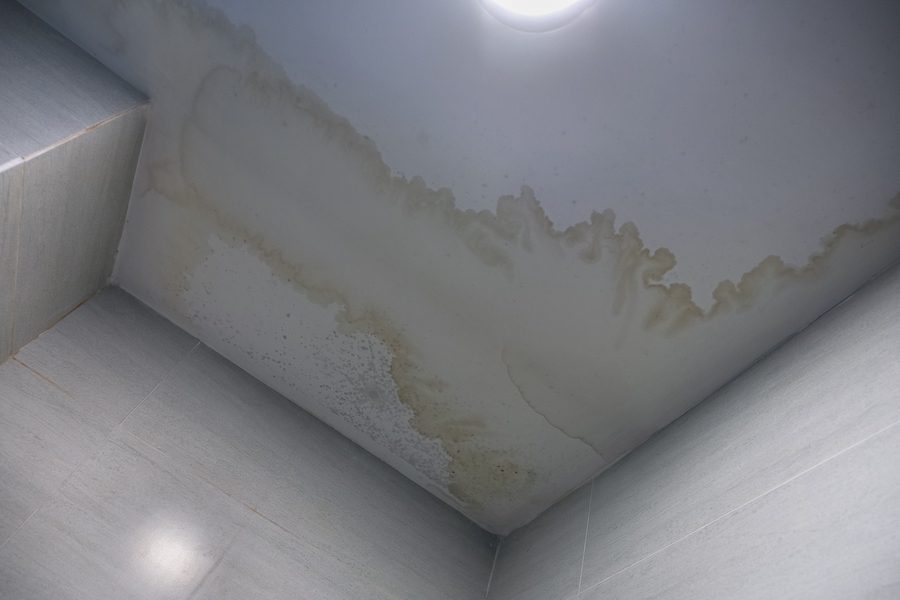
- Ceiling stains that keep growing
Light brown or yellow spots that expand over time usually point to an active leak, not a past issue - Soft or bubbling drywall
Moisture behind the surface can cause walls or ceilings to feel soft or appear swollen - Musty smells in specific rooms or the attic
A strong indicator that moisture is trapped and possibly leading to mold - Drips or damp spots after heavy rain
Even occasional moisture during storms should be taken seriously
Outside Your Home
- Shingles that look out of place
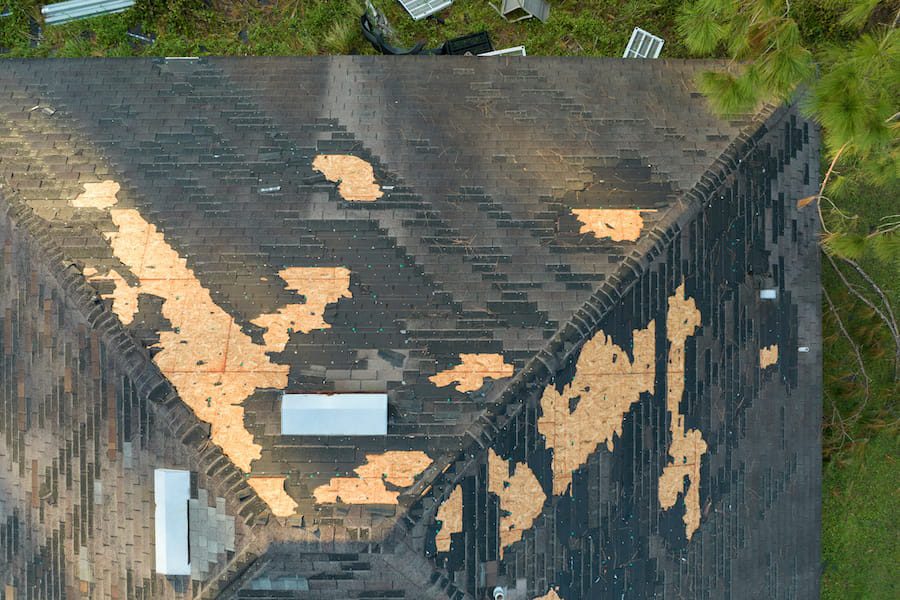
Curling edges, missing tabs, or uneven lines can signal areas where water is getting in - Excess granules collecting in gutters or at downspouts
This often means your shingles are breaking down and losing protection - Flashing that is cracked, rusted, or pulling away
These weak points are one of the most common sources of leaks - Low spots or sagging areas on the roof
Can indicate water has been sitting or soaking into the structure below
If you are seeing any of these signs, there is a good chance water is already getting in. The sooner you address it, the easier and less expensive it is to fix.
Step-by-Step: How to Find a Roof Leak
1. Inspect Your Attic First
Your attic gives you the clearest view of where water is entering.
Look for:
- Dark stains on rafters or decking
- Wet or compressed insulation
- Mold or mildew patches
- Sunlight coming through the roof
Tip: Turn off the lights and look for daylight shining through small gaps.
2. Trace the Water to Its Highest Point
Water rarely drips straight down.
- Follow moisture trails upward
- Identify the highest damp point
- Mark the location for reference
This helps narrow down where the leak is coming from on the roof surface.
3. Examine Roofing Materials
Different roofing systems fail in different ways.
- Asphalt shingles may curl, crack, or lose granules
- Metal roofs may loosen at seams or fasteners
Also check for:
- Missing shingles
- Nail pops
- General wear and tear
4. Check Roof Penetrations
Most leaks occur around penetrations, not open surfaces.
Inspect:
- Vent boots
- Chimney flashing
- Skylights
- Mounted equipment
These areas are especially vulnerable to storm damage during heavy rain and wind.
5. Perform a Controlled Water Test
If the source is not obvious:
- Have someone inside the attic
- Use a garden hose on the roof
- Wet one section at a time
- Watch for water entry
Move slowly. This method works best when isolating specific areas.
6. Flat Roof Leak Detection
Flat or low-slope roofs require a different approach.
Common issues include:
- Standing water
- Membrane seam failures
- Drainage problems
PVC systems, for example, can fail at seams over time.
What Causes Roof Leaks?
Most roof leaks are not random. They are the result of predictable stress on your roofing system over time. Here are the most common causes, with real-world context.
1. Severe Weather
Weather is one of the leading causes of roof leaks, especially in the Southeast.
Homes in this region regularly face:
- Thunderstorms with wind gusts exceeding 50 to 60 mph, strong enough to lift or loosen shingles
- Hail impacts that can crack shingles or bruise underlying materials
- Heavy rainfall events, often dropping 1 to 2 inches of rain in a single storm
According to NOAA, the Southeast experiences some of the highest thunderstorm frequency in the United States, increasing the likelihood of both visible and hidden roof damage.
2. Aging Roof Materials
All roofing materials have a lifespan. For asphalt shingles, that is typically 15 to 30 years, depending on quality and installation.
As roofs age:
- Shingles lose protective granules
- Materials become brittle and prone to cracking
- Seals around penetrations begin to fail
If your roof is nearing this range, small leaks often signal broader system wear.
3. Poor Installation
Not all leaks are caused by weather or age. Improper roof installation is a major contributor to early roof failure.
Common issues include:
- Incorrectly-installed or missing flashing
- Improper nail placement or overdriven nails
- Inadequate underlayment coverage
These problems may not show up immediately but can lead to leaks within just a few years.
4. High Humidity and Moisture Exposure
In humid climates where average relative humidity often exceeds 70 percent, moisture does not just come from above. It can build up within the roofing system itself.
This can lead to:
- Condensation in the attic
- Mold and mildew growth
- Gradual breakdown of roofing materials
- Hidden leaks that develop over time
Poor ventilation often makes this problem worse.
5. Clogged Gutters and Drainage Issues
Your gutter system plays a critical role in protecting your roof.
When gutters are clogged with debris:
- Water backs up under shingles
- Moisture collects along roof edges
- Ice dams or standing water can form in colder conditions
Even a well-installed roof can develop leaks if water is not properly directed away. Regular gutter repairs are an essential component of a cohesive roofing system.

Temporary Fixes vs. Permanent Solutions
Not all roof repairs are equal. Some solutions can buy you time, while others actually resolve the problem at its source. Knowing the difference can prevent repeat leaks and unnecessary costs.
Temporary Fixes
- Roofing sealant or patch tape
Can stop active leaks quickly but often fails under prolonged exposure to weather - Tarping damaged areas
Helps prevent further water intrusion after storms but is strictly short-term protection - Replacing a single shingle
May address visible damage, but often does not fix underlying issues like flashing or underlayment failure
These fixes are useful in emergencies, but they do not address the root cause. In many cases, leaks will return if only temporary measures are used.
When to Call a Professional
A basic inspection can help you spot obvious issues, but many roof leaks are harder to diagnose than they appear. In these situations, bringing in a professional can save time, prevent further damage, and ensure the problem is fixed correctly the first time.
You should call a professional if:
- You cannot safely access your roof
Steep slopes, wet surfaces, and height all increase the risk of injury - The source of the leak is unclear
Water often travels before it becomes visible, making the origin difficult to pinpoint without experience - You are seeing damage in multiple areas
This can indicate a larger underlying issue within the roofing system - There are signs of mold or structural damage
Soft decking, sagging areas, or persistent odors may point to deeper problems - The leak returns after a temporary fix
Recurring leaks usually mean the root cause has not been addressed
A professional inspection goes beyond what you can see from the surface. It identifies hidden damage and ensures repairs are done thoroughly and correctly.
Why Homeowners Trust C&W Roofing, Siding & Window Co.
Your home is one of your biggest investments, and protecting it requires more than a quick fix. It takes experience, accountability, and a company that stands behind its work.
At C&W Roofing, Siding & Window Co., we take that responsibility seriously. As a third-generation, family-owned company, we have spent over 31 years helping homeowners across upstate South Carolina protect and improve their homes with reliable, long-term solutions.
What Sets Us Apart
- Local and established
We live and work in the same communities we serve, and we will be here long after your project is complete - Experienced with regional conditions
We understand how storms, humidity, and seasonal changes impact roofing systems - Consistent, long-term service
You are not dealing with temporary or out-of-town contractors - Commitment to quality and communication
Clear expectations, skilled workmanship, and attention to detail from start to finish
When you choose C&W, you are choosing a team that is invested in doing the job right and being there when you need us.
Stop the Leak Before It Costs You More
Roof leaks are common, but the damage they cause does not have to be. The key is acting early. If you have noticed warning signs or even suspect a problem, now is the time to act. A quick inspection today can prevent major repairs tomorrow.
At C&W Roofing, Siding & Window Co., we are here to help you identify the issue, fix it correctly, and protect your home for the long term.
Call 864-986-5259 or contact us online to schedule your roof inspection today and stop the damage before it spreads
FAQ: How to Find a Roof Leak
Q: How can I tell where my roof is leaking?
Start by checking your attic for water stains, damp insulation, or visible light coming through the roof. Trace any moisture to its highest point, then inspect the corresponding area on the roof. Keep in mind that water often travels, so the visible leak may not be directly below the source.
Q: What is the most common cause of a roof leak?
The most common causes are damaged shingles, failing flashing, and worn-out roofing materials. Leaks also frequently occur around roof penetrations like vents, chimneys, and skylights.
Q: Can a small roof leak fix itself?
No. Roof leaks do not go away on their own. Even a small leak will continue to worsen over time, leading to more extensive and expensive damage if not repaired.
Q: Is it safe to find a roof leak myself?
You can safely inspect your attic and look for interior signs of a leak. However, climbing onto your roof can be dangerous, especially if it is steep or wet. If you are unsure, it is best to call a professional.
Q: How much damage can a roof leak cause?
A roof leak can lead to mold growth, damaged insulation, wood rot, and even electrical hazards. Over time, what starts as a minor issue can result in thousands of dollars in repairs.
Q: How quickly should a roof leak be repaired?
Immediately. The sooner you address a leak, the less damage it will cause. Even a short delay can allow water to spread and weaken other parts of your home.
Q: Do I need a full roof replacement if I have a leak?
Not always. Some leaks can be fixed with targeted repairs, such as replacing flashing or shingles. However, if your roof is older or has widespread damage, a roof replacement may be the better long-term solution.
Q: Can clogged gutters cause roof leaks?
Yes. When gutters are blocked, water can back up under shingles and seep into your home. Regular gutter cleaning helps prevent this issue.
Q: When should I call a professional roofer?
You should call a professional if you cannot locate the source of the leak, notice widespread damage, or see signs of mold or structural issues. A professional inspection ensures the problem is diagnosed and fixed correctly.